

Why Humikon Leonardite is Essential for Your Agriculture and Gardens
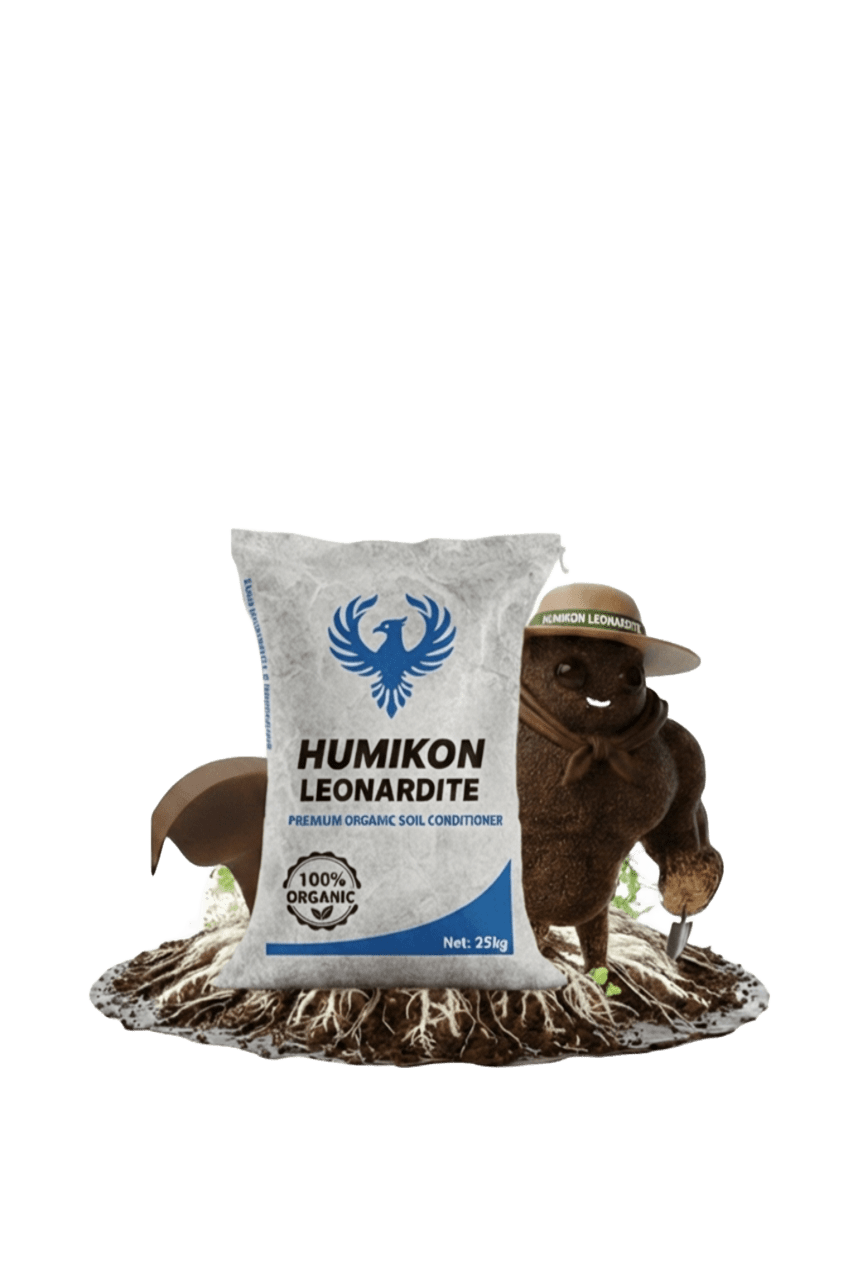
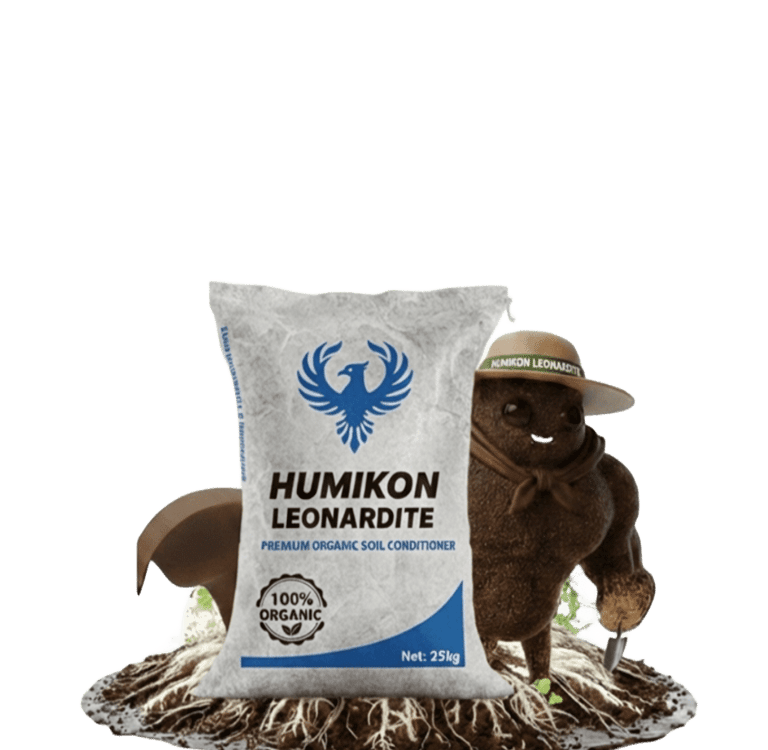
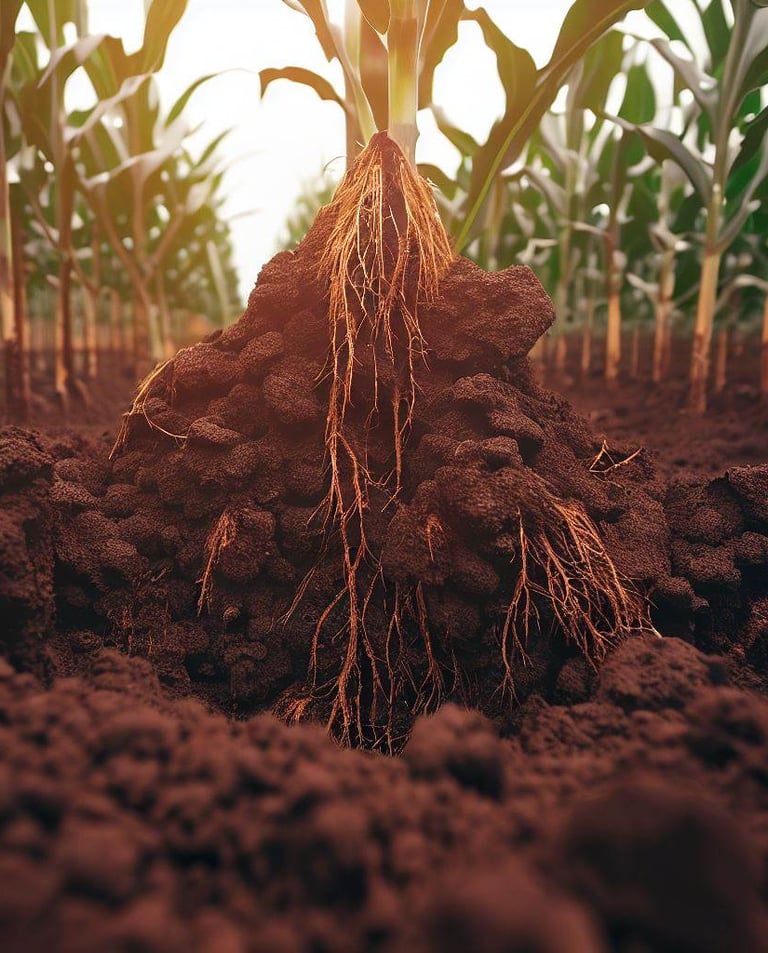
In the race for higher yields, we often forget the most important asset: the soil itself. Traditional fertilizers are a temporary fix, but Humikon Leonardite is a permanent solution. As leaders in sustainable agriculture, we’ve designed our Premium Organic Soil Conditioner to do more than just grow crops; it restores the biological health of the earth. By utilizing 100% organic Leonardite, we are helping farmers and gardeners unlock nutrients that were previously trapped, ensuring every drop of water and every gram of mineral is used efficiently. Why Humikon Leonardite is a game-changer: ✅ Enhanced Nutrient Uptake: Maximizes your ROI on every input. ✅ Soil Structure Restoration: Improves aeration and water retention. ✅ 100% Organic & Sustainable: Built for the future of regenerative farming. ✅ Professional Grade: Now available in our durable 25KG high-quality packaging. The future of agriculture isn't just about "more"—it's about "smarter." Let's build a greener legacy together. Read the full deep dive on why Leonardite is the essential pillar of your agricultural strategy in our latest blog. 👇 #Humikon #SustainableAgriculture #SoilConditioner #OrganicFarming #TurkishLeonardite#Leonardite #SoilHealth #GreenInnovation #HumicAcid #BestLeonardite
Understanding Humikon Leonardite
Humikon Leonardite is a natural material that emerges from the long-term decomposition of organic matter, particularly in environments rich in vegetation. Over centuries or even millennia, this organic material undergoes a transformation, becoming a highly concentrated source of humic substances. The essence of humikon lies in its rich chemical composition, primarily consisting of humic and fulvic acids. These components are vital for enhancing soil health and productivity in agricultural and gardening practices.
The chemical structure of humikon includes a multitude of functional groups that contribute to its unique ability to bind essential nutrients and improve their availability to plants. This characteristic makes Humikon Leonardite an essential amendment for soil management. Through its high cation-exchange capacity, it helps retain vital nutrients and moisture, reducing the need for excessive fertilizers and irrigation. As a result, the application of humikon can lead to sustainable farming practices that minimize environmental impacts.
Humikon is typically extracted from deposits found in specific geological formations rich in organic matter. The extraction process is undertaken with careful attention to preserve the integrity and efficacy of the humic compounds. Once harvested, Humikon Leonardite undergoes processing to produce various formulations that can be conveniently applied in agricultural settings. These formulations range from powders to liquid concentrates, ensuring that farmers and gardeners have versatile options to suit their specific needs.
Overall, understanding the nature and benefits of Humikon Leonardite is crucial for those looking to enhance the quality of their soils. Its origin from decomposed organic matter, combined with its rich chemical makeup, underscores its importance in promoting healthy crops and lush gardens.
The Benefits of Using Humikon Leonardite in Agriculture
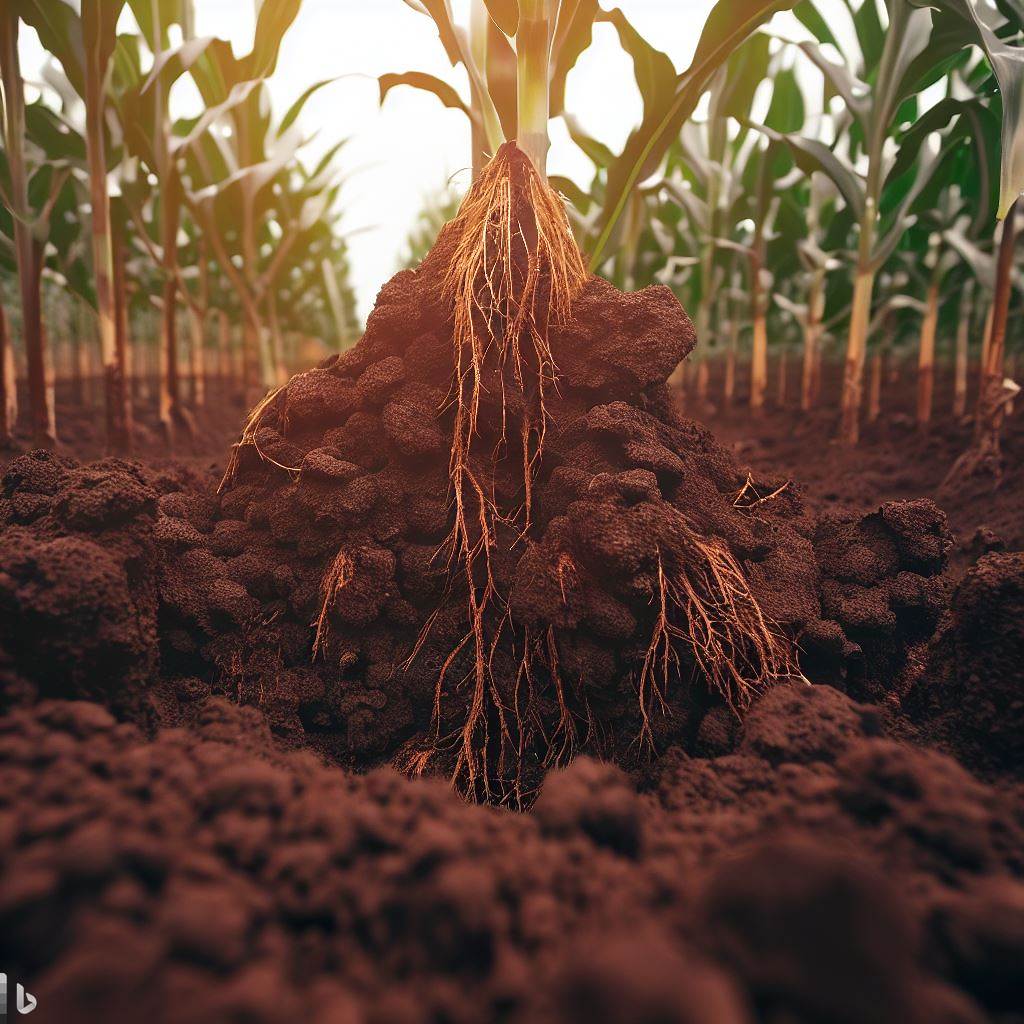
Incorporating Humikon Leonardite into agricultural practices presents numerous advantages that contribute to both immediate and long-term sustainability of farming. One of the primary benefits of Humikon Leonardite is its ability to improve soil structure. The organic compounds found in leonardite help in the aggregation of soil particles, which enhances the aeration and drainage capabilities of the soil. This improved structure is essential for root development, enabling plants to access nutrients more efficiently.
Another significant advantage of using Humikon Leonardite is the enhanced availability of nutrients. The humic acids and fulvic acids contained in this natural mineral deposit play a crucial role in nutrient solubilization. They bind to essential minerals and make them more accessible for plant uptake, leading to better fertilization efficiency and reduced dependence on synthetic fertilizers. With Humikon Leonardite application, farmers can ensure that crops receive vital nutrients that may otherwise be locked away in the soil.
Moisture retention is also positively affected by the use of Humikon Leonardite. Its organic matter has a unique ability to retain moisture, allowing for better water management in crops during dry spells. This property not only reduces irrigation needs but also helps in maintaining consistent soil moisture levels, enabling plants to thrive under varying climatic conditions.
Furthermore, Humikon Leonardite boosts microbial activity in the soil. A more active microbial community is beneficial as these organisms assist in the organic matter decomposition process and nutrient cycling, which is essential for sustaining soil health. High microbial activity promotes a balanced ecosystem within the soil, resulting in healthier crops and increased resilience against pests and diseases. Overall, the incorporation of Humikon Leonardite not only enhances immediate agricultural productivity but also promotes long-term soil sustainability, ensuring that farming practices remain viable for future generations.
Enhancing Soil Fertility with Humikon Leonardite
Humikon Leonardite plays a significant role in enhancing soil fertility, primarily through its rich content of humic acids. These organic compounds improve the soil's nutrient absorption and retention capabilities, creating an optimal environment for plant growth. One of the fundamental benefits of humic acids is their ability to chelate positively charged ions, known as cations, which include essential nutrients such as calcium, magnesium, and potassium. This interaction facilitates the availability of these nutrients to plant roots, making it easier for plants to uptake what they require for robust growth.
Additionally, Humikon Leonardite contributes to improving soil structure by promoting the formation of aggregates. This structure enhances aeration and water retention, critical factors for the health of plant roots and the overall soil ecosystem. A well-aggregated soil allows for better drainage and alleviates compaction, ensuring that roots can access necessary nutrients effectively.
Furthermore, the application of humic substances from Humikon Leonardite aids in the retention of water. This is particularly beneficial in regions where water scarcity is a concern, as plants can better withstand dry spells. Another advantage is the stimulation of beneficial microbial activity in the soil. These microorganisms, supported by the presence of humic acids, play a crucial role in decomposing organic matter, thereby releasing even more nutrients into the soil for plant utilization.
Specific nutrients that are better utilized through Humikon Leonardite include nitrogen, phosphorus, and sulfur. The interaction of humic acids with these nutrients not only enhances their solubility but also improves their mobilization within the soil, ultimately leading to increased crop yields and healthier gardens. By investing in Humikon Leonardite, farmers and gardeners can significantly boost their soil fertility, ensuring sustainable agricultural practices and promoting vibrant plant growth.
Humikon Leonardite in Garden Applications
Garden enthusiasts continually seek effective methods to enhance plant growth and maintain healthy soil conditions. One innovative solution gaining traction in home gardening is Humikon Leonardite, a natural organic product high in humic acids. This material has been documented for its ability to improve soil quality significantly and promote vigorous plant growth.
Implementing Humikon Leonardite in your garden can yield numerous benefits. Firstly, it enhances soil structure, leading to improved aeration and moisture retention. This is particularly beneficial for gardens with sandy or compacted soils, where water drainage can become problematic. The incorporation of humic acids derived from Leonardite aids in binding soil particles, thereby creating a more stable and nutrient-rich environment that encourages root development.
Furthermore, Humikon Leonardite acts as a natural amendment for managing pH levels in garden soils. Many plants thrive within specific pH ranges, and using Leonardite can help in stabilizing these levels. By adding it to acidic or alkaline soils, gardeners can effectively create a more balanced pH environment conducive to plant health. For instance, vegetable gardens, which often require consistent soil conditions for optimal yield, can greatly benefit from its use.
In flower gardens, the application of Humikon Leonardite not only supports root growth but also stimulates more vibrant blooms. By providing essential micronutrients and enhancing nutrient absorption, it leads to healthier and more resilient plants. For both professional horticulturists and casual gardeners, such a natural amendment presents a sustainable option to improve garden outcomes.
In addition to these applications, Humikon Leonardite can be effectively used across various gardening contexts – from raised beds to container gardens, ensuring diverse gardening experiences can leverage its advantages. Gardeners interested in organic practices will find Humikon Leonardite a valuable component in promoting sustainable and productive gardening.
Comparing Humikon Leonardite with Other Soil Amendments
Soil management is critical for agricultural productivity and health, and various amendments are available to enhance soil properties. Humikon Leonardite, a natural organic material, has gained attention for its multifaceted benefits. To determine its efficacy, a comparison with commonly used amendments such as compost, manure, and synthetic fertilizers is essential.
Compost is often recognized as an environmentally friendly option for improving soil structure and providing nutrients. While compost enriches soil with a balanced array of nutrients, it may be inconsistent in nutrient content and often requires a longer time for decomposition. On the other hand, manure is another widely utilized amendment, rich in organic matter and nitrogen. However, its use can lead to nutrient runoff, posing environmental risks unless properly managed.
Synthetic fertilizers, known for delivering nutrients in concentrated forms, offer immediate availability for plant uptake. Yet, they can lead to soil acidification, reduced biodiversity, and potential long-term environmental harm. In contrast, Humikon Leonardite stands out due to its ability to improve nutrient retention and enhance soil microorganisms while providing a stable source of essential nutrients. Its high concentration of humic substances aids in increasing cation exchange capacity (CEC), significantly contributing to better nutrient availability for plants.
Moreover, Humikon Leonardite promotes soil structure and moisture retention without the downsides linked to synthetic alternatives or the variability of compost and manure. While each soil amendment has its merits and limitations, the unique properties of Humikon Leonardite make it a compelling choice for sustainable agricultural practices and gardens, addressing both nutrient management and environmental conservation.
Environmental Impact of Using Humikon Leonardite
The utilization of Humikon Leonardite in agriculture and gardening presents several significant environmental advantages, promoting sustainable practices that are crucial for preserving ecosystems. One primary benefit is its role in sustainable agriculture, where Humikon Leonardite enriches soil health by enhancing its organic matter content. This improvement in soil structure leads to increased water retention, which reduces the necessity for frequent irrigation, thus conserving precious water resources.
Moreover, the adoption of Humikon Leonardite contributes to a decrease in chemical runoff into water bodies. When organic amendments like Humikon are employed, the need for synthetic fertilizers diminishes, thereby minimizing the risk of nutrient leaching. This reduction in chemical runoff not only protects aquatic ecosystems but also helps in maintaining cleaner water sources, benefiting both wildlife and human populations.
In addition to improving agricultural practices, Humikon Leonardite supports biodiversity within soil ecosystems. Its application fosters a diverse microbial population that enhances nutrient cycling and soil fertility. This beneficial microbial activity is essential for maintaining healthy plant growth and ensuring a resilient ecosystem capable of withstanding environmental stressors, such as climate change.
Humikon Leonardite also plays a role in carbon sequestration efforts, acting as a tool for mitigating climate change. By improving soil structure and increasing organic carbon stocks, it aids in capturing and storing carbon dioxide from the atmosphere. This process not only contributes to reducing greenhouse gas emissions but also enhances soil health, resulting in long-term benefits for agricultural productivity and the environment.
How to Apply Humikon Leonardite in Your Fields and Gardens
Applying Humikon Leonardite effectively in agriculture and gardens is crucial for enhancing soil quality and plant health. One effective method is to incorporate the leonardite directly into the soil before planting. This can be done by mixing it into the top 6 to 12 inches of soil, ensuring even distribution. The recommended application rate typically ranges from 1 to 2 tons per acre, or about 50 to 200 pounds per 1,000 square feet for gardens. Adjustments may be necessary based on soil type, existing nutrient levels, and specific crop requirements.
Timing plays an essential role in the application of Humikon Leonardite. For optimal results, apply it during fall or spring before tilling the soil. These periods allow for natural decomposition and nutrient release, setting an ideal foundation for planting. Additionally, incorporating Humikon Leonardite after a heavy rain can maximize its effectiveness, as moisture aids in the breakdown and absorption of the organic matter into the soil.
In gardens, Humikon Leonardite can also be blended with compost or potting mixes to improve the overall fertility of the medium. For container gardens, a mix of 10-15% Humikon Leonardite with standard potting soil can significantly boost nutrient retention and promote healthy root development.
To enhance its benefits, consider combining the application of Humikon Leonardite with other soil amendments, such as biochar or manure. This combination will improve soil structure while providing a diverse nutrient profile for plants. Ensuring that Humikon Leonardite is well mixed and applied according to the specific needs of your plants ensures that you harness its full potential in promoting productive and sustainable agriculture.

contact information
email: phoenix@agroleonardit.com
Tel:+90 532 304 24 00